Choosing a slot game may look like a quick visual decision: a player notices a theme, likes the soundtrack, and starts spinning. Yet familiarity, risk preference, pacing, perceived control, and reward anticipation can all make one title feel more attractive than another.
Understanding these influences helps gaming enthusiasts choose more deliberately. It does not create a winning system, because slot outcomes remain chance-based, but it can produce sessions that better match a player’s budget, attention span, and entertainment preferences.
Selection Often Starts With Emotion
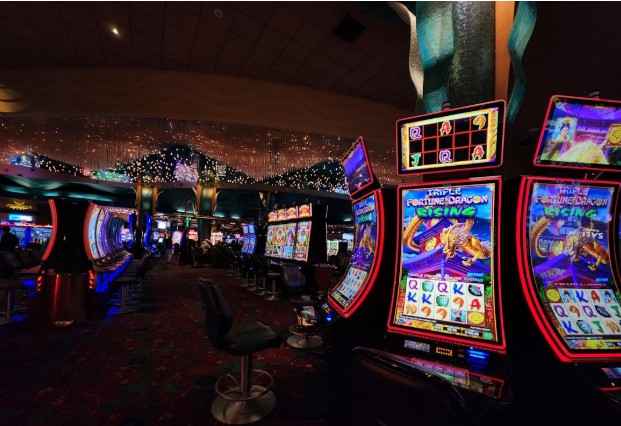
Players rarely begin by comparing every mathematical detail. The first filter is usually emotional. A fantasy fan may notice dragons and magical symbols, while a sports enthusiast may prefer stadium imagery. Familiar themes reduce the effort needed to understand an interface because the symbols and tone already feel recognisable.
Colour, animation, and sound also shape first impressions. Research using multiline slot simulations found that sound increased excitement and influenced player preference. It could also make some outcomes feel more positive than their financial value justified. Polished presentation should therefore be treated as atmosphere, not evidence of better chances.
The Main Psychological Drivers
Several motives can operate together when a gamer browses a slot catalogue. Identifying the strongest one makes it easier to separate genuine preferences from momentary impulses.
Familiarity and Personal Identity
People naturally gravitate toward link gacor experiences that reflect their interests. Someone who enjoys mythology, science fiction, history, or classic arcade games may select similar themes because they support a preferred gaming identity.
Familiarity can make navigation easier, but players should still inspect the paytable. Two visually similar games may have different reel layouts, feature rules, volatility levels, and bet settings. Theme explains how a game feels, not how its mathematics behaves.
Stimulation and Preferred Pace
Some players want rapid spins, energetic sound, and frequent movement. Others prefer slower reveals and enough time to understand each result. Research on electronic gaming machines suggests that faster play can increase spending and make it harder to recall amounts spent or winning outcomes accurately.
A useful test is to try a free demonstration, where available, for several minutes. Notice whether the speed feels comfortable or creates pressure to act before thinking. The best pace is one at which the player remains aware of time, stakes, and results.
Risk Personality and Volatility
Volatility describes how prizes are distributed. Lower-volatility games generally offer smaller, more frequent prizes, while higher-volatility designs concentrate more value in larger, rarer prizes.
Players seeking steady activity may prefer the first pattern. Those who enjoy suspense may be attracted to the second. This preference has practical consequences. A high-volatility game can use a limited budget during a long stretch without a meaningful prize.
Enthusiasts should match volatility to their emotional comfort, budget, and planned session length rather than focusing only on the maximum payout.
Anticipation and Near Misses
A near miss occurs when symbols appear close to a winning arrangement without forming one. Research has found that near misses can increase the desire to continue even though they are losses. Their resemblance to wins may create a feeling of progress where none exists.
An informed player labels the outcome correctly: close-looking is still losing. Each random spin is independent, so a near miss does not make the next result more favourable.
Pausing after an exciting near miss can stop emotion from turning immediately into another wager.
The Feeling of Control
Reel-stop buttons and selectable bonus objects can make a game feel more skill-based. Experiments have shown that stop buttons may encourage an incorrect sense of agency in some players, even when button timing does not alter the result.
Players should distinguish meaningful decisions from presentation choices. Selecting an object in a predetermined bonus sequence may improve engagement, but it does not necessarily improve the payout. The help screen should explain whether a choice genuinely affects the outcome.
RTP and the Search for Reassurance
Analytical players often check return to player, or RTP. This is useful but commonly misunderstood. RTP is an average measured over a very large number of plays, not a promise about one session.
A slot depo 5000 game showing 96% RTP does not guarantee that a player receives 96 units back from every 100 wagered. RTP should be considered alongside volatility, bet range, feature complexity, and session goals. It cannot predict what will happen during a short period of play.
Conclusion
Slot selection is shaped by more than graphics or payout headlines. Players respond to familiarity, stimulation, anticipation, perceived control, and personal comfort with risk. The most informed choice is the game whose rules, pace, stake range, and volatility match a defined entertainment plan. Good gamer psychology is not about predicting random outcomes. It is about recognising what attracts attention, understanding how design affects decisions, and staying in control of time and money.